Planning a two-week journey through Southeast Asia involves understanding the financial landscape of the region. Thailand, Vietnam, and Cambodia each offer distinct cost structures that can influence a traveler’s overall budget. This article provides a detailed breakdown of daily costs for accommodation, food, transport, and activities, helping you estimate potential expenses. The information is presented as a general framework, and actual costs depend on individual choices, travel style, and seasonal factors.
Budgeting for such a trip requires considering multiple variables, including destination selection, travel dates, and personal preferences. While some costs are relatively predictable, others can fluctuate based on demand and availability. By examining typical price ranges, you can create a flexible budget that accommodates your needs. The following sections explore key spending categories, offering context and examples rather than prescriptive advice.
It’s important to note that travel costs in Southeast Asia can vary widely. Factors such as booking timing, location within a country, and the level of comfort desired all play a role. This breakdown aims to provide a transparent overview, allowing you to make informed decisions based on your circumstances.
Accommodation Costs: From Hostels to Hotels
Accommodation is often a significant portion of any travel budget. In Southeast Asia, options range from budget hostels to mid-range hotels and boutique guesthouses. In Thailand, dormitory beds in hostels might cost between $5 and $15 per night, while private rooms in guesthouses can range from $15 to $30. Mid-range hotels with amenities like air conditioning and breakfast may cost $30 to $60 per night. In Vietnam, prices are generally slightly lower, with hostel dorms at $4 to $12 and private rooms at $10 to $25. Cambodia offers similar pricing, with hostels at $3 to $10 and guesthouses at $8 to $20.
These figures are indicative and can vary by city. For instance, accommodation in Bangkok or Ho Chi Minh City tends to be higher than in smaller towns. Booking in advance or during off-peak seasons might yield better rates. Additionally, the type of accommodation and its location relative to attractions can influence cost. Travelers might consider factors like proximity to public transport and included amenities when evaluating options.
In all three countries, it’s common to find a range of choices that cater to different budgets. Some establishments may offer discounts for extended stays, while others may have higher rates during peak tourist periods. Understanding these nuances can help in planning a realistic accommodation budget.
Food and Drink: Street Eats to Restaurants
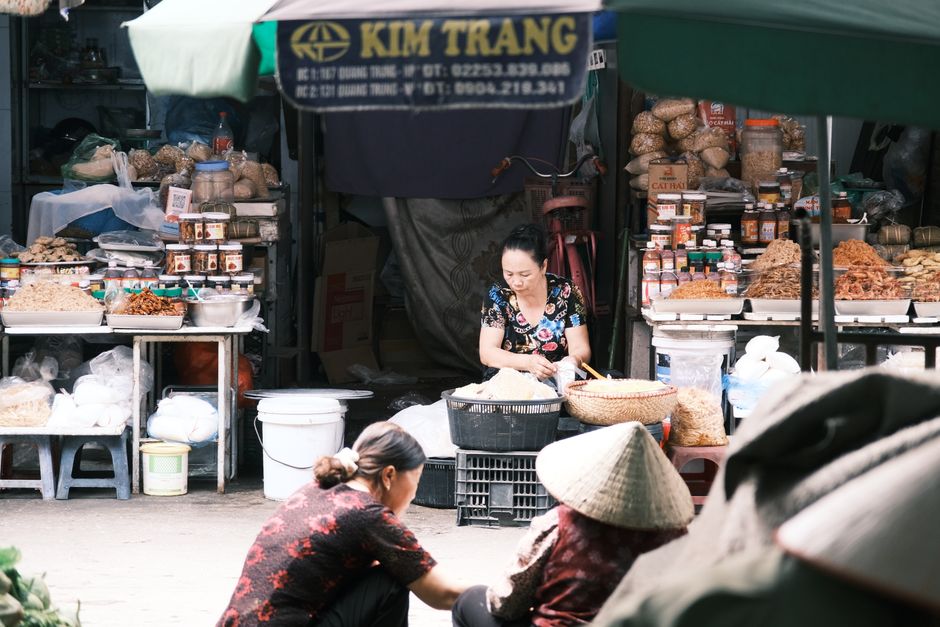
Food expenses can be quite flexible in Southeast Asia. Street food is widely available and affordable, with meals often costing between $1 and $3 in Thailand, Vietnam, and Cambodia. In Thailand, popular dishes like pad Thai or som tam might cost around $1.50 to $2.50 from street vendors. Vietnam offers banh mi or pho for as little as $1 to $2. In Cambodia, a plate of lok lak or amok might be $2 to $3. Local markets and food stalls provide inexpensive options that are also culturally enriching.
For those who prefer sit-down restaurants, prices increase. In Thailand, a meal at a mid-range restaurant can cost $5 to $10, while in Vietnam, it might be $3 to $7. Cambodia’s restaurant prices are similar, ranging from $3 to $8. Western food or upscale dining can be significantly more expensive, sometimes comparable to prices in the United States. Beverages like bottled water, beer, and coffee are also budget-friendly, with local beers costing $0.50 to $2 and coffee around $1 to $2.
Daily food budgets can vary based on eating habits. A traveler relying on street food might spend $10 to $15 per day, while those mixing street food with occasional restaurant meals might spend $20 to $30. It’s worth noting that dietary restrictions or preferences might limit options and affect costs. Additionally, hygiene considerations may influence where one chooses to eat, potentially impacting the budget.
Transportation: Getting Around and Between Countries
Transportation costs encompass local travel within cities and journeys between destinations. In Thailand, public transport like buses and metro in Bangkok are affordable, with fares ranging from $0.50 to $2. Tuk-tuks and motorbike taxis are more expensive, often requiring negotiation. In Vietnam, motorbike taxis and ride-hailing apps are common, with short trips costing $1 to $3. Cambodia has tuk-tuks as a primary mode, with fares around $2 to $5 for short distances. Renting a motorbike, where permitted, can cost $5 to $15 per day.
For intercity travel, buses are the most economical. In Thailand, a bus from Bangkok to Chiang Mai might cost $15 to $25. Vietnam’s open bus tickets allow flexible travel between major cities, with prices around $30 to $50 for a hop-on hop-off pass. Cambodia’s buses between Phnom Penh and Siem Reap cost $10 to $15. Trains in Thailand and Vietnam offer another option, with varying comfort levels and prices. Flights between countries can be budget-friendly if booked in advance, with one-way fares sometimes as low as $50 to $100.
Daily transport budgets depend on the number of trips and modes used. A traveler using public transport might spend $5 to $10 per day, while those relying on taxis or private drivers might spend $15 to $30. It’s advisable to research local transport options and typical fares to avoid overpaying.
Activities and Entrance Fees: Sightseeing and Experiences
Activities and entrance fees can add up, but many attractions in Southeast Asia are reasonably priced. In Thailand, entry to temples like Wat Pho in Bangkok is around $3 to $5. Grand Palace entry is about $15. In Vietnam, sites like the Cu Chi Tunnels or Hue Imperial City have fees of $2 to $7. Cambodia’s Angkor Wat complex offers a one-day pass for $37, with multi-day passes available. Other activities like cooking classes, boat tours, and wildlife sanctuaries range from $10 to $50 depending on the experience.
These costs can vary by region and season. Some attractions offer student or senior discounts, and it’s worth checking official websites for current prices. Free activities such as walking tours, markets, and beaches are also abundant. Planning a mix of paid and free activities can help manage the budget. Additionally, guided tours might include entrance fees, so comparing options is beneficial.
Budgeting for activities might involve setting aside $10 to $20 per day for entrance fees and occasional excursions. Those with specific interests, like diving or rock climbing, should research costs in advance, as these can be higher. It’s also wise to carry small bills for entrance fees, as change may not always be available.
Putting It All Together: A Sample Daily Budget
Combining these categories, a rough daily budget for a two-week trip across Thailand, Vietnam, and Cambodia can be estimated. For a budget-conscious traveler using hostels, street food, public transport, and limited paid activities, daily costs might range from $30 to $50. This includes accommodation ($10), food ($10), transport ($5 to $10), and activities ($5 to $10). A mid-range traveler staying in private rooms, eating at a mix of street stalls and restaurants, using some taxis, and participating in more tours might spend $60 to $100 per day. This includes accommodation ($25), food ($20), transport ($10 to $15), and activities ($15 to $20).
These estimates are not guarantees and depend on individual choices. Seasonal variations, such as peak tourist times, can increase prices. Traveling during off-peak months might reduce accommodation and activity costs. Additionally, the number of days spent in each country and the specific cities visited will affect the total. For a two-week trip, total costs might range from $500 to $1,500 per person, excluding international airfare. Wanderlust Journeys suggests that travelers maintain a contingency fund for unexpected expenses.
It’s important to track spending as you go and adjust as needed. Using a budgeting app or keeping a simple spreadsheet can help. Currency exchange rates also play a role, so monitoring them before and during the trip is advisable. Ultimately, the key is to plan flexibly and prioritize spending based on personal interests.
Money Management Tips: Cash, Cards, and Currency
Managing money efficiently is crucial for staying within budget. In Thailand, Vietnam, and Cambodia, cash is widely used, especially in markets and for small purchases. ATMs are available in cities and tourist areas, but withdrawal fees can be high. It’s often better to withdraw larger amounts less frequently. Credit cards are accepted at many hotels and upscale restaurants, but smaller establishments may only take cash. In Vietnam, Vietnamese dong is the currency, while Thailand uses Thai baht, and Cambodia uses Cambodian riel, though US dollars are widely accepted in Cambodia.
Exchanging money at banks or authorized exchange counters typically offers better rates than at airports or hotels. It’s advisable to carry a mix of small and large bills. Tipping is not mandatory but appreciated in tourist areas. Some travelers use travel cards or prepaid currency cards to avoid fees. It’s also wise to inform your bank of travel plans to prevent card blocks. Keeping a backup of funds in separate locations can mitigate risks.
Budgeting for a two-week trip through Southeast Asia involves careful consideration of these factors. By understanding typical costs and planning accordingly, travelers can enjoy the region’s rich offerings while maintaining financial control. The information provided here serves as a general guide, and actual expenses will vary based on individual circumstances.